Five incredible tropical islands you can actually buy today
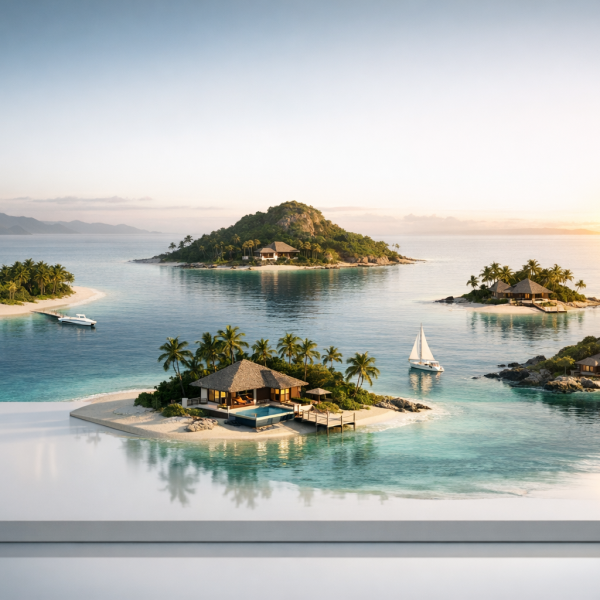
Imagine waking up to the sound of waves gently brushing against your own private shoreline, where palm trees sway above turquoise waters and the only crowds are schools of tropical fish. For many, owning a private tropical island feels like a fantasy reserved for billionaires. In reality, there are stunning islands on the market today that are surprisingly attainable, especially if you know where to look and how to navigate international property rules. From Central America to Southeast Asia, there are real islands for sale right now that could become your personal paradise, investment opportunity, or eco-retreat project.
1. Jewel Caye, Belize – A Boutique Resort Dream
Belize has rapidly become one of the hottest destinations for tropical real estate, thanks to its investor-friendly laws, English-speaking population, and the proximity of its islands to the world-famous Belize Barrier Reef. Jewel Caye is a small, picture-perfect island offering white-sand beaches, clear blue waters, and excellent snorkeling just offshore. With existing structures or the potential to build, this island is ideal for someone looking to launch a boutique resort, dive lodge, or upscale wellness retreat.
Buying an island in Belize means navigating local property regulations, environmental rules, and sometimes language and document requirements. When you are dealing with cross-border contracts, legal paperwork, and potential partners in Portuguese-speaking regions such as Brazil or nearby investment hubs, professional language support becomes crucial. Using services like portuguese translation services can help ensure that contracts, marketing materials, and government filings remain precise and legally robust, avoiding misunderstandings that can derail an otherwise perfect island deal.
2. Ilha Privada, Brazil – A Slice of South American Paradise
Brazil boasts thousands of islands along its extensive coastline, many of them lush and dramatically beautiful, dotted with granite boulders and fringed by rainforest. An “Ilha Privada” (private island) in Brazil’s coastal states, such as Rio de Janeiro or Bahia, can offer an intoxicating blend of vibrant culture, fresh seafood, and year-round warm weather. Some islands are located near popular tourist routes, making them ripe for development as exclusive rental villas, wellness getaways, or private family compounds tucked away from busy cities.
Real estate in Brazil can involve interaction with lawyers, agents, and local authorities who primarily work in Portuguese. To keep due diligence structured and communications efficient across multiple languages and partners, many serious buyers rely on a modern translation platform. This kind of centralized solution lets you manage multilingual contracts, property descriptions, villa rental listings, and promotional content in one place, ensuring that every stakeholder understands the details and that potential guests from around the globe can discover your island retreat online.
3. Koh Mook Hideaway, Thailand – Emerald Waters and Limestone Cliffs
Thailand’s Andaman Sea is a world of emerald-green water, limestone cliffs, and quiet coves that feel far removed from the bustle of city life. On or near the island of Koh Mook, there are private land parcels and small satellite islands occasionally available for sale. These properties offer strong potential for eco-tourism projects, from glamping-style resorts to intimate yoga retreats that capitalize on the region’s natural beauty and growing visitor demand.
Foreign ownership in Thailand often requires creative yet legal structures, such as long-term leases or company ownership, making professional guidance essential. Beyond legal bureaucracy, you must consider environmental impact assessments and community relations with nearby fishing villages. A thoughtful buyer will plan sustainable infrastructure, including renewable energy, wastewater treatment, and responsible tourism practices. Emphasizing eco-conscious development not only protects your investment over time but also positions your island as a premium, ethical destination for global travelers. Many visitors are surprised by how affordable a stay in south fork colorado can be compared with the marquee resort towns.
Private islands make for an entertaining thought experiment, but most travellers get closer to that feeling of having a place to themselves by going somewhere the crowds have not reached yet. Parts of southeastern Europe still deliver exactly that, with river towns and mountain valleys that see a fraction of the coastal traffic. A few days of bosnia travel costs less than a single night on most private islands and delivers more of the same solitude.
4. Sapphire Key, Central America – An Eco-Investor’s Canvas
Scattered across Central America’s Caribbean coast are small cays and keys that still offer excellent value compared to more famous destinations. A fictional example like “Sapphire Key” represents the kind of mid-sized island you can actually find on the market: space for a small marina, sandy beaches, and gentle elevations for villas with sweeping ocean views. These islands are particularly attractive to investors who want both privacy and the ability to develop eco-friendly accommodations or long-stay digital nomad retreats.
What makes these islands so compelling is their flexibility. Some buyers focus on solar-powered micro-resorts that operate off-grid, while others envision a family estate that can later be transformed into income-generating holiday rentals. With the rise of remote work, well-branded island properties with reliable internet and thoughtful design can command premium rates. To ensure that your marketing resonates with audiences in North America, Europe, and Latin America, you will likely need multilingual social media content, translated websites, and region-specific advertising campaigns.
5. Coral Lagoon Island, The Philippines – Gateway to Adventure Diving
The Philippines is famous for its breathtaking coral reefs, friendly locals, and English proficiency, which simplifies many aspects of property purchase and daily life. Islands and coastal properties in regions like Palawan or the Visayas often feature calm lagoons, coral gardens, and picture-perfect beaches, making them irresistible to divers and nature lovers. A private island here could serve as a boutique dive resort, a marine conservation hub, or a secluded creative retreat for artists and writers.
Investment opportunities in the Philippines often hinge on the strength of your brand and your partnerships with local communities and tourism boards. Emphasizing sustainable fishing practices, coral restoration, and respectful cultural tourism can differentiate your island from generic beach resorts. Clear communication with local stakeholders, from boat operators to environmental NGOs, is essential for long-term success, ensuring your island remains both profitable and ecologically healthy.
How to Choose the Right Island for You
While these five examples highlight the variety of tropical islands you can actually buy today, choosing the right one requires aligning your goals with the island’s characteristics and regulations. Ask yourself whether you want a purely private sanctuary, a boutique business opportunity, or a mixed-use property that can host both family and paying guests. Consider access to airports, hospitals, and supply routes, as well as storm risk, legal frameworks for foreign owners, and long-term development possibilities.
Beyond the purchase price, factor in ongoing costs such as maintenance, staffing, transportation, insurance, and infrastructure building. Conduct thorough due diligence, enlist reputable local lawyers and surveyors, and plan for gradual, sustainable development rather than rapid overbuilding. With careful planning and the right professional support, your dream of owning a tropical island can move from fantasy to well-executed reality, giving you a personal sanctuary and a globally appealing asset in the heart of paradise.