Family Travelers Increasingly Rely on Translation Apps Abroad
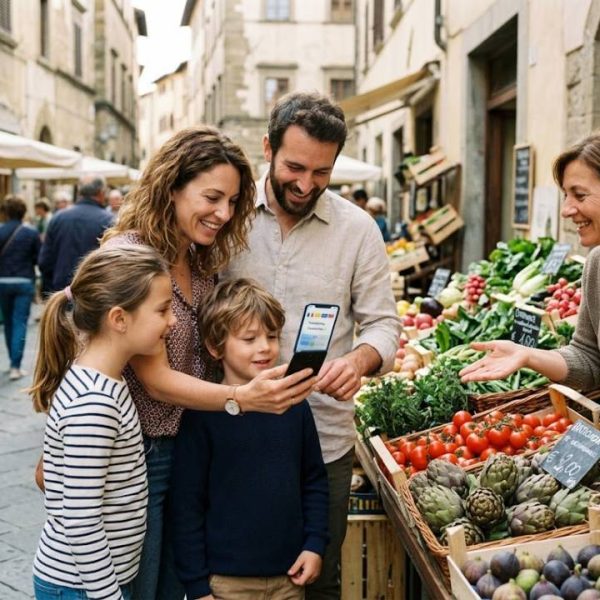
A family standing at a pharmacy counter in a country where nobody speaks their language used to mean charades and crossed fingers. Now it usually means someone pulling out a phone, and that small shift has changed how families plan and experience travel together.
Translation Apps Have Changed the Calculus of Where to Go
Destinations that once felt intimidating because of the language gap are now on the table for family trips that would have seemed too complicated a decade ago. Parents planning multi-country itineraries no longer rule out a stop simply because nobody in the family speaks the local language, since a translation app can usually get them through ordering food, asking directions, or handling a minor emergency well enough to manage.
Where Apps Work Well and Where They Do Not
Simple, transactional exchanges, ordering a meal, asking for directions, checking into a hotel, tend to go smoothly with a translation app. Nuanced conversations do not. Negotiating a taxi fare, discussing a medical symptom in detail, or resolving a booking dispute often exposes the limits of automated translation fast, which is why experienced family travelers keep a backup plan for anything that really matters.
When a Trip Involves Real Paperwork
Family travel occasionally brushes up against situations that need more than an app can offer. A lost passport, a medical incident requiring insurance paperwork, or a legal issue abroad may require certified translation services rather than a phone app, since embassies, insurers, and local authorities generally will not accept a machine-translated document for anything official.
French Canadian Destinations Draw Growing Family Interest
Quebec and other French-speaking regions of Canada have become popular family destinations that combine an accessible trip with genuine language immersion for kids. Families researching logistics for longer stays sometimes need english to french canadian translation services for school enrollment paperwork or extended-stay housing agreements, particularly if the trip stretches beyond a typical two-week vacation.
How Travel Companies Are Adapting
Tour operators managing multilingual family groups now rely on an online translation management system to keep itineraries, safety instructions, and emergency contact information consistent and accurate across every language a group might need, rather than relying on a guide's memory or a hastily translated handout.
Restaurant Menus Remain a Surprisingly Common Sticking Point
Even with a translation app in hand, decoding a menu in an unfamiliar language trips up more families than any other single moment on a trip, especially when a child has an allergy that needs to be communicated precisely rather than approximately. Families managing food allergies abroad increasingly carry a printed, professionally translated allergy card rather than relying purely on an app, since a waiter reading a clear printed card tends to take the request more seriously than one glanced at on a phone screen.
Families travelling with a phrasebook app have quietly raised their expectations of every other service they touch abroad. If a restaurant menu can be read instantly, a checkout page in an unfamiliar language feels like an obstacle rather than a novelty. That expectation is one reason merchants researching shopify malaysia now treat local language and local payment options as the starting point rather than a later upgrade.
Public Transit Adds Its Own Layer of Confusion
Train and metro systems in unfamiliar countries often use signage and announcements that automated translation apps struggle to parse in real time, particularly with background noise or unusual regional accents. Families who plan transit routes in advance using offline maps and pre-translated station names tend to have a much smoother experience than those trying to translate on the fly while juggling luggage and tired kids.
Hotel Staff Are Often the Unsung Translation Bridge
Multilingual hotel staff frequently end up quietly filling translation gaps that neither an app nor a guidebook can, from explaining a local custom to helping arrange a doctor's visit. Families who build a good relationship with front desk staff early in a stay often find that small favor pays off later, when something unexpected comes up that really does need a fluent human speaker rather than a phone screen.
For situations where accuracy truly matters, such as a medical consultation or an emergency, families may need more than a helpful hotel employee. Professional interpreting services provide trained linguists who can handle sensitive conversations in real time, whether by phone or in person. Unlike a translation app, a qualified interpreter understands context, tone and cultural nuance, which can be critical when discussing symptoms with a doctor or resolving a dispute. Knowing how to access such support before a trip adds a valuable layer of security to any family travel plan.
Kids Often Adapt Faster Than Parents Expect
Parents worried about a language barrier ruining a family trip are often surprised by how quickly kids adapt, picking up a handful of useful phrases within days and losing much of their initial shyness about attempting them out loud. Travel researchers who study family tourism note that this kind of low-stakes language exposure, without classroom pressure, is often what sparks a genuine interest in learning a language later.
Building a Realistic Language Plan Before You Go
Families who travel confidently across language barriers tend to prepare a little in advance rather than relying entirely on last-minute app translations: a handful of key phrases memorized ahead of time, offline translation packs downloaded before losing signal, and a clear sense of which documents might need certified translation if something goes wrong. That modest preparation tends to be the difference between a stressful travel day and a manageable one, no matter how far off the beaten path the itinerary ends up going.
A family standing at a pharmacy counter in a country where nobody speaks their language used to mean charades and crossed fingers. Now it usually means someone pulling out a phone, and that small shift has changed how families plan and experience travel together.
A family standing at a pharmacy counter in a country where nobody speaks their language used to mean charades and crossed fingers. Now it usually means someone pulling out a phone, and that small shift has changed how families plan and experience travel together.
Translation Apps Have Changed the Calculus of Where to Go
Destinations that once felt intimidating because of the language gap are now on the table for family trips that would have seemed too complicated a decade ago. Parents planning multi-country itineraries no longer rule out a stop simply because nobody in the family speaks the local language, since a translation app can usually get them through ordering food, asking directions, or handling a minor emergency well enough to manage.
Destinations that once felt intimidating because of the language gap are now on the table for family trips that would have seemed too complicated a decade ago. Parents planning multi- country itineraries no longer rule out a stop simply because nobody in the family speaks the local language, since a translation app can usually get them through ordering food, asking directions, or handling a minor emergency well enough to manage.
Where Apps Work Well and Where They Do Not
Simple, transactional exchanges, ordering a meal, asking for directions, checking into a hotel, tend to go smoothly with a translation app. Nuanced conversations do not. Negotiating a taxi fare, discussing a medical symptom in detail, or resolving a booking dispute often exposes the limits of automated translation fast, which is why experienced family travelers keep a backup plan for anything that really matters.
Simple, transactional exchanges, ordering a meal, asking for directions, checking into a hotel, tend to go smoothly with a translation app. Nuanced conversations do not. Negotiating a taxi fare, discussing a medical symptom in detail, or resolving a booking dispute often exposes the limits of automated translation fast, which is why experienced family travelers keep a backup plan for anything that really matters.
When a Trip Involves Real Paperwork
Family travel occasionally brushes up against situations that need more than an app can offer. A lost passport, a medical incident requiring insurance paperwork, or a legal issue abroad may require certified translation services rather than a phone app, since embassies, insurers, and local authorities generally will not accept a machine-translated document for anything official.
Family travel occasionally brushes up against situations that need more than an app can offer. A lost passport, a medical incident requiring insurance paperwork, or a legal issue abroad may require certified translation services rather than a phone app, since embassies, insurers, and local authorities generally will not accept a machine-translated document for anything official.
French Canadian Destinations Draw Growing Family Interest
Quebec and other French-speaking regions of Canada have become popular family destinations that combine an accessible trip with genuine language immersion for kids. Families researching logistics for longer stays sometimes need english to french canadian translation services for school enrollment paperwork or extended-stay housing agreements, particularly if the trip stretches beyond a typical two-week vacation.
Quebec and other French-speaking regions of Canada have become popular family destinations that combine an accessible trip with genuine language immersion for kids. Families researching logistics for longer stays sometimes need english to french canadian translation services for school enrollment paperwork or extended-stay housing agreements, particularly if the trip stretches beyond a typical two-week vacation.
How Travel Companies Are Adapting
Tour operators managing multilingual family groups now rely on an online translation management system to keep itineraries, safety instructions, and emergency contact information consistent and accurate across every language a group might need, rather than relying on a guide's memory or a hastily translated handout.
Tour operators managing multilingual family groups now rely on an online translation management system to keep itineraries, safety instructions, and emergency contact information consistent and accurate across every language a group might need, rather than relying on a guide's memory or a hastily translated handout.
Restaurant Menus Remain a Surprisingly Common Sticking Point
Even with a translation app in hand, decoding a menu in an unfamiliar language trips up more families than any other single moment on a trip, especially when a child has an allergy that needs to be communicated precisely rather than approximately. Families managing food allergies abroad increasingly carry a printed, professionally translated allergy card rather than relying purely on an app, since a waiter reading a clear printed card tends to take the request more seriously than one glanced at on a phone screen.
Even with a translation app in hand, decoding a menu in an unfamiliar language trips up more families than any other single moment on a trip, especially when a child has an allergy that needs to be communicated precisely rather than approximately. Families managing food allergies abroad increasingly carry a printed, professionally translated allergy card rather than relying purely on an app, since a waiter reading a clear printed card tends to take the request more seriously than one glanced at on a phone screen.
Families travelling with a phrasebook app have quietly raised their expectations of every other service they touch abroad. If a restaurant menu can be read instantly, a checkout page in an unfamiliar language feels like an obstacle rather than a novelty. That expectation is one reason merchants researching shopify malaysia now treat local language and local payment options as the starting point rather than a later upgrade.
Families travelling with a phrasebook app have quietly raised their expectations of every other service they touch abroad. If a restaurant menu can be read instantly, a checkout page in an unfamiliar language feels like an obstacle rather than a novelty. That expectation is one reason merchants researching shopify malaysia now treat local language and local payment options as the starting point rather than a later upgrade.
Public Transit Adds Its Own Layer of Confusion
Train and metro systems in unfamiliar countries often use signage and announcements that automated translation apps struggle to parse in real time, particularly with background noise or unusual regional accents. Families who plan transit routes in advance using offline maps and pre-translated station names tend to have a much smoother experience than those trying to translate on the fly while juggling luggage and tired kids.
Train and metro systems in unfamiliar countries often use signage and announcements that automated translation apps struggle to parse in real time, particularly with background noise or unusual regional accents. Families who plan transit routes in advance using offline maps and pre-translated station names tend to have a much smoother experience than those trying to translate on the fly while juggling luggage and tired kids.
Hotel Staff Are Often the Unsung Translation Bridge
Multilingual hotel staff frequently end up quietly filling translation gaps that neither an app nor a guidebook can, from explaining a local custom to helping arrange a doctor's visit. Families who build a good relationship with front desk staff early in a stay often find that small favor pays off later, when something unexpected comes up that really does need a fluent human speaker rather than a phone screen.
Multilingual hotel staff frequently end up quietly filling translation gaps that neither an app nor a guidebook can, from explaining a local custom to helping arrange a doctor's visit. Families who build a good relationship with front desk staff early in a stay often find that small favor pays off later, when something unexpected comes up that really does need a fluent human speaker rather than a phone screen.
Kids Often Adapt Faster Than Parents Expect
Parents worried about a language barrier ruining a family trip are often surprised by how quickly kids adapt, picking up a handful of useful phrases within days and losing much of their initial shyness about attempting them out loud. Travel researchers who study family tourism note that this kind of low-stakes language exposure, without classroom pressure, is often what sparks a genuine interest in learning a language later.
Parents worried about a language barrier ruining a family trip are often surprised by how quickly kids adapt, picking up a handful of useful phrases within days and losing much of their initial shyness about attempting them out loud. Travel researchers who study family tourism note that this kind of low-stakes language exposure, without classroom pressure, is often what sparks a genuine interest in learning a language later.
Building a Realistic Language Plan Before You Go
Families who travel confidently across language barriers tend to prepare a little in advance rather than relying entirely on last-minute app translations: a handful of key phrases memorized ahead of time, offline translation packs downloaded before losing signal, and a clear sense of which documents might need certified translation if something goes wrong. That modest preparation tends to be the difference between a stressful travel day and a manageable one, no matter how far off the beaten path the itinerary ends up going.
Families who travel confidently across language barriers tend to prepare a little in advance rather than relying entirely on last-minute app translations: a handful of key phrases memorized ahead of time, offline translation packs downloaded before losing signal, and a clear sense of which documents might need certified translation if something goes wrong. That modest preparation tends to be the difference between a stressful travel day and a manageable one, no matter how far off the beaten path the itinerary ends up going.